Nexcess.com Servers.com LiquidWeb.com
Back

Remote Block Storage

Disk space that attaches over the network and grows without new hardware

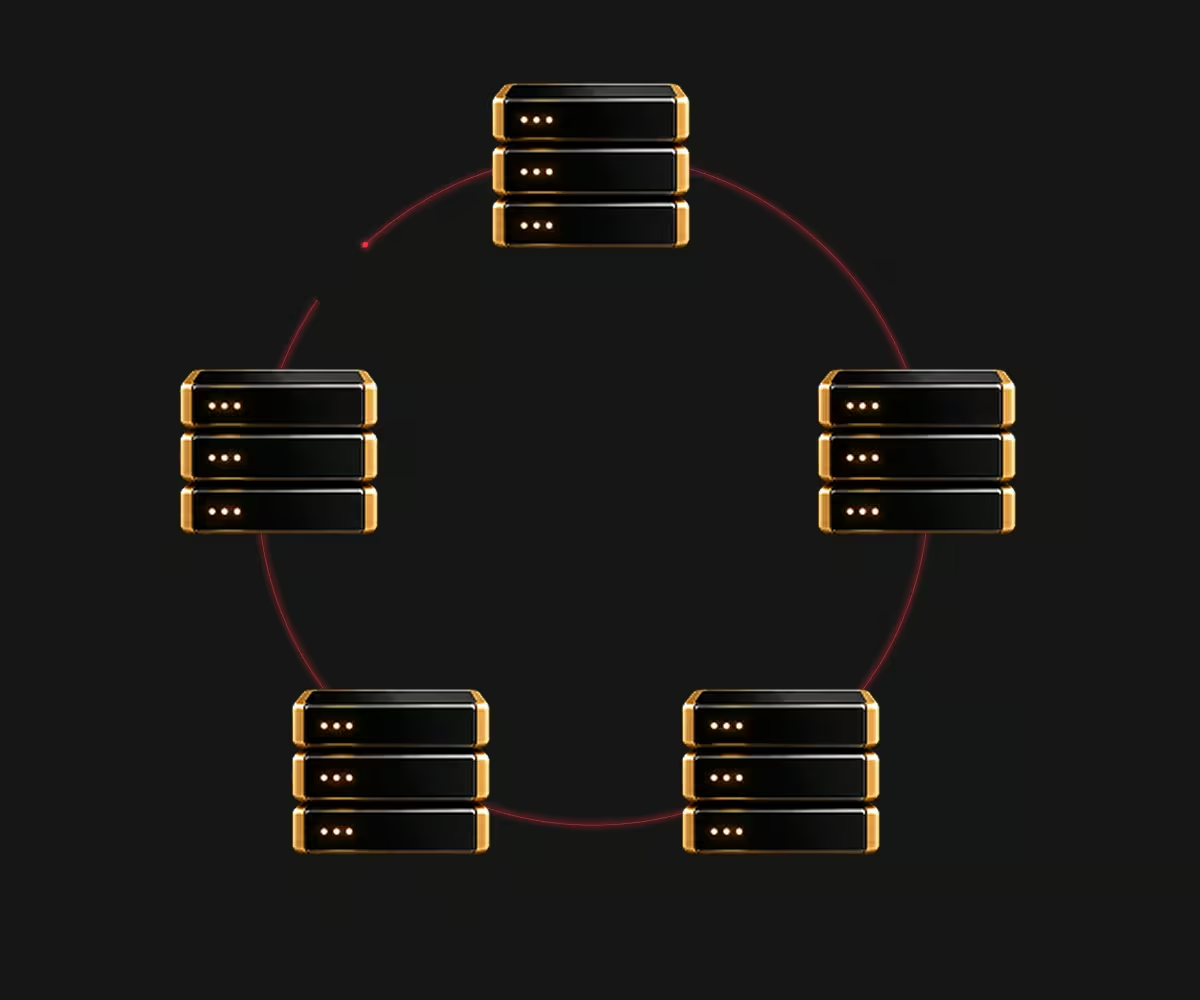
Remote Block Storage (RBS) adds disk space to a server over the network, so storage grows without replacing or installing local disks. Volumes attach to Enterprise Bare Metal (EBM), Scalable Bare Metal (SBM), Cloud Servers, and Kubernetes nodes, and give Kubernetes workloads storage that outlives the pods using it, so your data survives when a pod is deleted.

Remote Block Storage

What Remote Block Storage is for

Remote Block Storage is for workloads that need a disk that can grow or move independently of the server.

  • Kubernetes workloads

    Kubernetes workloads

    Keep important data on persistent volumes and leave throwaway data on the node.

  • Databases

    Databases

    Grow storage without adding disks to the server.

  • Automation-heavy teams

    Automation-heavy teams

    Create volumes separately from attaching them, which suits Terraform and the Kubernetes storage driver.

What comes with Remote Block Storage

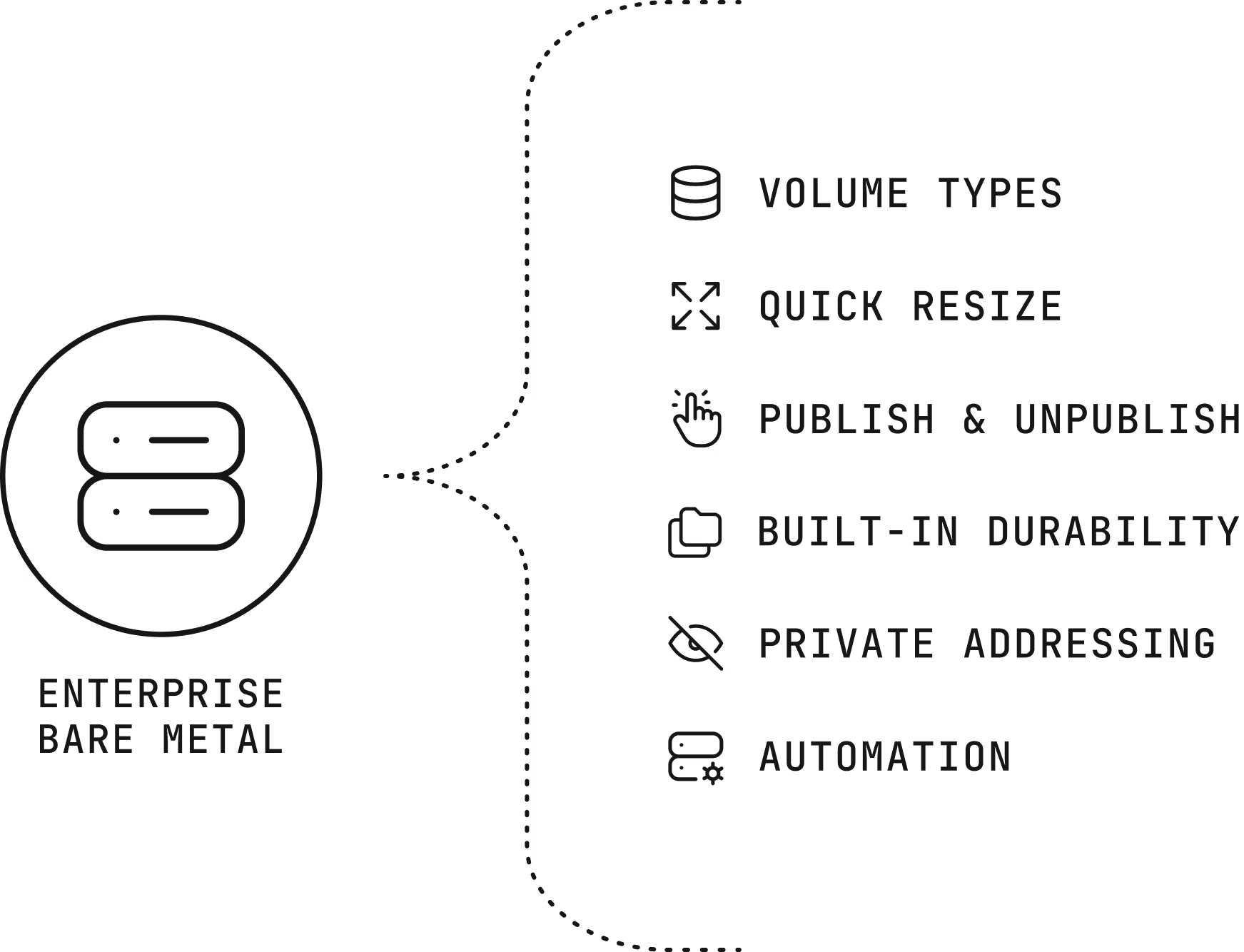
What comes with Remote Block Storage is a volume you size, attach, and move yourself.

Volume types

Each volume type sets how fast the volume can read and write data, so you choose performance for each volume.

Quick resize

Grow a volume in moments without detaching it, and your data stays intact.

Publish and unpublish

Detach a volume from a host without deleting its data, then attach it again later.

Built-in durability

We replicate your data across our storage system, so it stays safe if hardware fails.

Private addressing

Every volume gets a private address and connects to hosts over iSCSI, a standard protocol for disks over a network.

Automation

Manage volumes in the portal, the application programming interface (API), Terraform, or the Kubernetes storage driver.

What comes with Remote Block Storage

Remote Block Storage compared to Object Storage

Remote Block Storage

Type
Block storage
Accessed as
A disk attached to a server
Suits
Databases, virtual machines, Kubernetes volumes
Availability
Beta

Object Storage

Type
Object storage
Accessed as
Objects over S3 or Swift
Suits
Backups, media, datasets, Static sites
Availability
Generally available

Remote Block Storage benefits

Flexibility icon

Flexibility

Storage grows on its own schedule, not the hardware’s.

Resilience icon

Resilience

Data outlives the pod or server it was attached to.

Automation icon

Automation

Volumes fit infrastructure-as-code workflows from creation to deletion.

How Remote Block Storage is Billed

Per month based on allocated GB.

Getting started with Remote Block Storage

  1. Create a volume

    Choose the size and volume type in the portal or through the API.

  2. Attach it

    Connect the volume to your host. In Kubernetes, you request a volume in your cluster configuration, and the Kubernetes storage driver attaches it for you.

  3. Grow as needed

    Resize the volume later. It’s quick, you don’t need to detach the volume, and your data stays intact.

Why companies choose Servers.com by Nexcess

The infrastructure, the network, and the people come from one provider that designs around the workload.

Your volume is yours alone

The storage system underneath is shared, but every volume belongs to one customer and is private to your account.

31 data centers

Data centers across North America, South America, Europe, and Asia Pacific, joined by a private network with free transfer between sites.

Cloud-style operations

The Customer Portal, a public application programming interface (API), the srvctl command-line tool, Terraform, and the Kubernetes storage driver manage your volumes the same way they manage your servers.

The same people after you sign

The engineers and account managers who help design your environment are the ones who help you migrate it and run it.

  • gonet logo svg
  • shockbyte logo svg

Support from engineers, backed by a team that knows your environment

Support from engineers, backed by a team that knows your environment, is part of every product we sell, and it doesn’t depend on how much you spend with us.

FAQs

Is Remote Block Storage shared?

Yes. The storage system is multi-tenant, and each volume is yours alone.

Which servers can use it?

Enterprise Bare Metal, Scalable Bare Metal, Cloud Servers, and Kubernetes nodes.

What does publishing a volume mean?

Publishing exposes the volume so a host can attach it. Unpublishing removes that exposure without deleting the volume.

Try Remote Block Storage in Amsterdam banner Try Remote Block Storage in Amsterdam Mobile banner

Try Remote Block Storage in Amsterdam

Create a volume in the portal, or ask an engineer whether the beta fits your workload.